
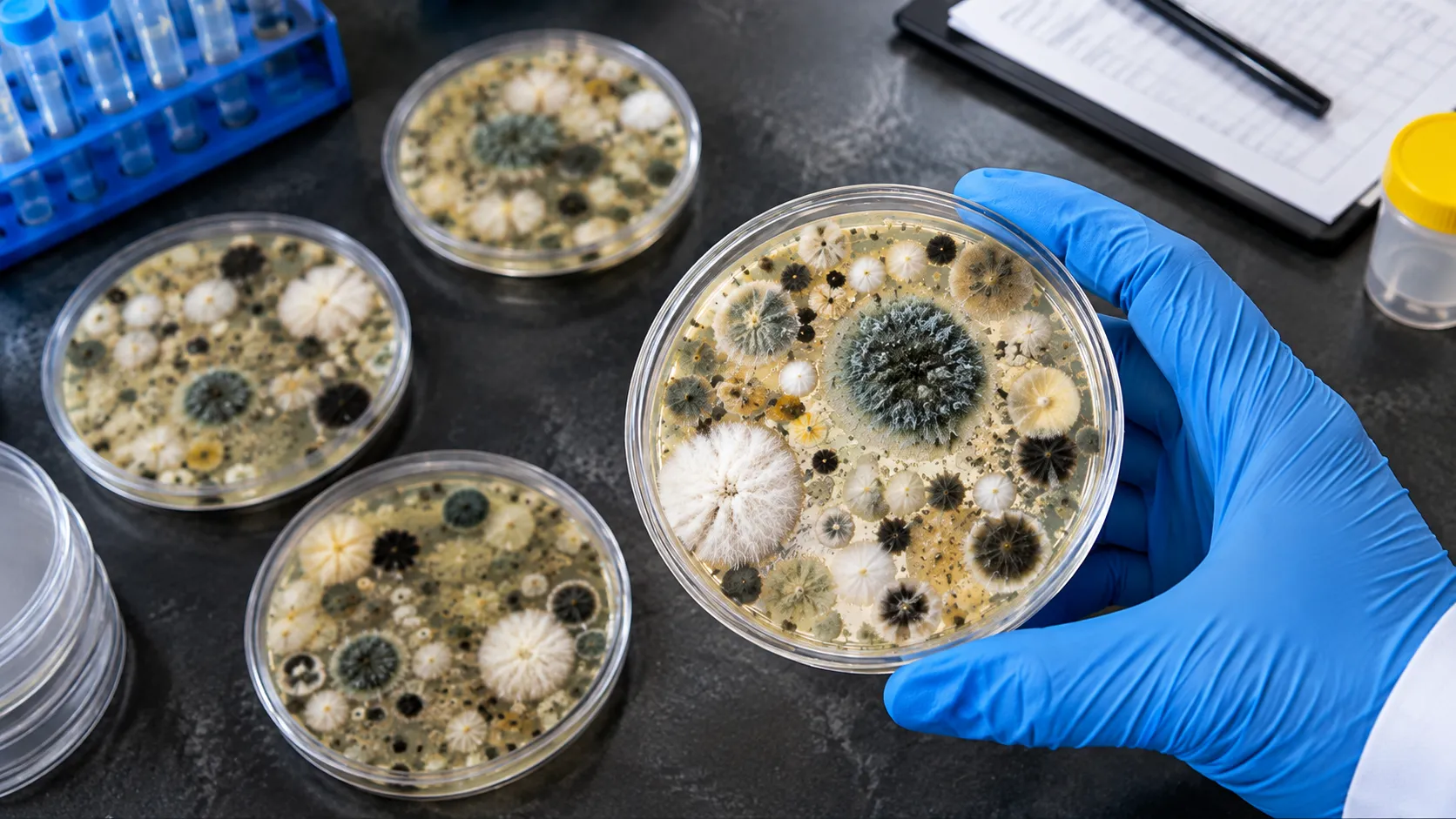
Maybe your inspector found something on a wall that looked suspicious but couldn't tell you for sure what it was. Maybe you've had ongoing allergy symptoms and no obvious source of mold anywhere in the house. Maybe you're in the middle of a dispute with a landlord or an insurance company and need documented proof, not just an opinion. Testing gives you a real answer backed by a lab report, not a guess.
Call (843) 278-6142 to schedule mold testing, or fill out the form below and we'll follow up the same day.
When Mold Testing Actually Makes Sense
Testing isn't something every mold situation needs, and a straight answer on that builds more trust than upselling you on tests you don't require. The EPA is clear that when mold is already visible, sampling usually isn't necessary since the mold should be removed regardless of species. Testing earns its cost in a few specific situations:
- The source of a musty smell or health complaint isn't obvious after a visual inspection
- You need documentation for an insurance claim, a lease dispute, or a legal matter
- You want to confirm an area was fully cleared after remediation
- Someone in the home has ongoing symptoms and no visible mold has been found
- You're comparing indoor air quality to outdoor air as a baseline
If mold is already visible and the cause is obvious, like a leaking pipe behind a bathroom wall, testing to identify the species usually won't change what needs to happen next: the mold still needs to be removed. We'll tell you that upfront instead of selling you a test you don't need.
Types of Mold Samples We Collect
Air Sampling
Air samples capture spores currently floating in the air, which get compared against an outdoor baseline sample to see if indoor levels are elevated. This is often the first choice when mold is suspected but nothing is visible.
Surface Sampling
Swabs or tape lifts pulled directly from a suspicious spot on a wall, ceiling, or other surface confirm exactly what's growing there. This is the fastest way to identify a species when mold is already visible.
Bulk Sampling
A small physical piece of material, like a section of drywall or insulation, gets sent to the lab intact. This is useful when mold has grown into a material rather than just on its surface.
Every sample goes to an accredited laboratory and gets analyzed using methods recommended by the American Industrial Hygiene Association, not a guess based on color or smell.
Mold Testing vs. Mold Inspection vs. Mold Removal
These three get confused constantly, so here's the plain breakdown.
- Mold inspection is the visual walkthrough and moisture-meter check that comes first. Full details are on our mold inspection page.
- Mold testing is what this page covers: lab confirmation of species once inspection raises a question worth answering.
- Mold removal is the physical work of getting rid of confirmed mold. That's covered on our mold removal page, part of our full mold remediation process across Charleston.
Testing on its own doesn't fix anything. It answers a specific question, then points you toward the right next step.
Is There an Official "Safe" Mold Level?
No, and any company that tells you otherwise isn't being straight with you. The EPA has confirmed there are no federal standards or threshold limits for airborne mold or mold spores, so no test result can officially declare a building "passed" or "failed" against a government number. What a lab report can do is tell you which species are present, how the indoor sample compares to the outdoor baseline, and whether levels look elevated enough to warrant remediation. We walk you through what your specific results mean in plain language, not just hand you a stack of lab paperwork and a bill.
What Happens After Your Results Come Back
Lab turnaround is typically a few business days. Once results are in, we sit down with you and explain what was found, what it means for your home or business, and what your options are. If remediation is needed, we'll walk you through what that involves and connect you with our mold removal team. If your results come back clean, you'll have a documented report for your own records, insurance, or a real estate transaction.
Areas We Provide Mold Testing
We collect and process mold samples throughout the Charleston area, including:
- Downtown Charleston and the Historic District (29401, 29403)
- West Ashley (29407, 29414)
- James Island (29412)
- Mount Pleasant (29464, 29466)
- Daniel Island (29492)
- Johns Island (29455)
- North Charleston (29405, 29406, 29418)
- Folly Beach (29439) and Sullivan's Island (29482)
- Summerville (29483, 29485, 29486)
- Goose Creek (29445)
Don't see your area listed? Call us anyway, we cover the greater Charleston metro.
Why Charleston Homeowners Trust Our Mold Testing
- Accredited lab analysis using AIHA-recommended methods, not guesswork
- Honest guidance on when testing is actually worth the cost, and when it isn't
- Clear result explanations, not just a technical report handed over with no context
- Documentation ready for insurance claims, legal matters, or real estate transactions
- Local experience with the specific mold pressures of Charleston's climate and housing stock
- A direct path to remediation if results confirm a problem, no runaround
Frequently Asked Questions
Cost depends on how many samples are needed and which type. We'll give you a clear estimate before collecting any samples.
Lab turnaround is typically a few business days. Rush processing may be available for an added cost if you're on a tight timeline.
Usually not. The EPA notes that visible mold should generally be removed regardless of species, so testing mainly adds value when the source isn't obvious or you need documentation.
Not against an official number. There's no federal safe-level standard for mold, so results are interpreted based on species found and how indoor levels compare to outdoor air, not a pass or fail score.
Air testing checks spores floating in the room and compares them to outdoor air. Surface testing confirms exactly what's growing on a specific spot you can already see.
No. We explain what your results mean and only recommend next steps that are actually warranted based on what the lab finds.